
 Portugues
 Pусский
In-line idlers
In-Line Idlers: Function, Types, and Applications In-line idlers are essential components in conveyor systems, designed to support and guide belts or chains while maintaining proper tension and alignment. These idlers are strategically placed along the conveyor structure to minimize friction, reduce wear, and ensure smooth material handling operations. Their versatility makes them suitable for various industries, including mining, agriculture, manufacturing, and logistics. Function and Importance In-line idlers serve multiple critical functions: 1. Belt Support: They prevent excessive sagging by evenly distributing the weight of the conveyed material. 2. Alignment Control: Properly installed idlers help maintain belt tracking, reducing the risk of misalignment and edge damage. 3. Tension Management: They assist in maintaining optimal belt tension, preventing slippage or excessive stretching. 4. Noise and Vibration Reduction: By minimizing friction, in-line idlers contribute to quieter and more efficient conveyor operation. Types of In-Line Idlers Depending on the application, different types of in-line idlers are used: - Carrying Idlers: Positioned along the load-bearing section to support the belt and material. - Return Idlers: Installed on the underside of the conveyor to guide the empty belt back to the drive pulley. - Impact Idlers: Equipped with rubber rings or cushioning to absorb shock from heavy or abrasive materials. - Training Idlers: Designed with adjustable angles to correct belt misalignment automatically. Material and Design Considerations In-line idlers are constructed from durable materials such as steel, rubber, or high-density polymers to withstand harsh conditions. Key design factors include: - Roller Diameter and Length: Determined by belt width and load capacity. - Bearing Type: Sealed bearings are common to resist dust, moisture, and contaminants. - Frame Configuration: Can be fixed or adjustable to accommodate different conveyor layouts. Applications In-line idlers are widely used in: - Bulk Material Handling: Transporting coal, ore, grain, and aggregates. - Packaging Lines: Ensuring smooth movement of packaged goods. - Warehouse Automation: Supporting conveyor belts in sorting and distribution systems. Maintenance and Longevity Regular inspection and lubrication of bearings, along with prompt replacement of worn rollers, are crucial to extending idler lifespan. Proper alignment and tensioning also reduce wear and energy consumption. Conclusion In-line idlers play a vital role in conveyor efficiency, reliability, and longevity. Their design and material selection must align with operational demands to ensure optimal performance. By understanding their functions and maintenance requirements, industries can enhance productivity while minimizing downtime.
Products
Category:
-
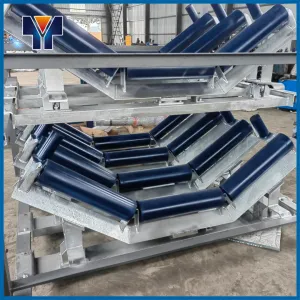
set of rolls
Category: Roller groupBrowse number: 1Number:Release time: 2026-01-05 15:11:52The rolling mill set is the core component combination in rolling equipment such as steel rolling, aluminum rolling, copper rolling, etc. It is composed of two or more rolling mills, matched with auxiliary components such as bearing seats, frames, and adjustment mechanisms. Through the relative rotation of the rolling mills, pressure is applied to the metal billet, causing it to undergo plastic deformation and roll into specific specifications of plates, profiles, pipes, and other products.Core FeaturesStructural composition: The main body is a pair or group of rolling rolls (such as working r... -
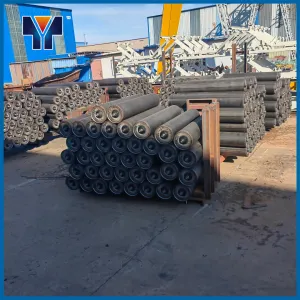
Upper idler set
Category: Roller groupBrowse number: 1Number:Release time: 2026-01-05 15:30:36The rolling mill set is the core component combination in rolling equipment such as steel rolling, aluminum rolling, copper rolling, etc. It is composed of two or more rolling mills, matched with auxiliary components such as bearing seats, frames, and adjustment mechanisms. Through the relative rotation of the rolling mills, pressure is applied to the metal billet, causing it to undergo plastic deformation and roll into specific specifications of plates, profiles, pipes, and other products.Core FeaturesStructural composition: The main body is a pair or group of rolling rolls (such as working r...
News
Category:
-
[Roller Group]Self-aligning and deviation correction idler
2026-01-05 10:10:54
Case
Category:
No search results found!
Video
Category:
No search results found!
Download
Category:
No search results found!
Job
Category:
No search results found!
Featured Products
-
NEWS
set of rolls
Learn more -
NEWS
Upper idler set
Learn more



 Phone
Phone