
 Portugues
 Pусский
idlers
Idlers: Understanding and Addressing Workplace Inefficiency Idlers, or employees who consistently underperform or avoid work, can significantly impact team productivity, morale, and organizational success. While occasional downtime is normal, chronic idleness often stems from deeper issues such as disengagement, lack of motivation, or unclear expectations. Addressing this challenge requires a balanced approach that combines empathy, clear communication, and proactive management. Causes of Idleness 1. Lack of Engagement: Employees may disengage if their work feels monotonous, unchallenging, or disconnected from larger goals. Without a sense of purpose, motivation dwindles. 2. Poor Leadership: Unclear expectations, inconsistent feedback, or micromanagement can foster disengagement. Employees need direction and trust to thrive. 3. Burnout or Stress: Some may appear idle due to exhaustion or personal struggles. Recognizing these signs is crucial to offering support. 4. Skill Mismatch: Employees assigned tasks beyond their expertise—or far below it—may struggle to stay productive. Strategies to Mitigate Idleness 1. Set Clear Goals: Define measurable objectives and ensure employees understand their role in achieving them. Regular check-ins help track progress. 2. Foster Engagement: Encourage autonomy, provide growth opportunities, and recognize contributions. Employees who feel valued are likelier to stay motivated. 3. Improve Communication: Open dialogue helps identify roadblocks early. Constructive feedback, rather than criticism, can reignite effort. 4. Offer Support: Training, mentorship, or workload adjustments can address skill gaps or burnout. Flexibility (e.g., remote options) may also boost productivity. 5. Address Underperformance: If idleness persists despite support, formal performance discussions or reassignment may be necessary. Conclusion Idlers aren’t inherently lazy—often, systemic issues or misalignment fuel their behavior. By cultivating a supportive, transparent workplace, leaders can transform disengagement into dedication, benefiting both individuals and the organization. The key lies in balancing accountability with understanding, ensuring every team member has the tools and motivation to succeed.
Products
Category:
-
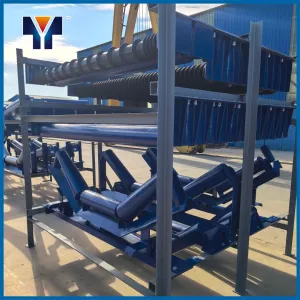
roller group
Category: Roller groupBrowse number: 1Number:Release time: 2026-01-05 14:45:25The rolling mill set is the core component combination in rolling equipment such as steel rolling, aluminum rolling, copper rolling, etc. It is composed of two or more rolling mills, matched with auxiliary components such as bearing seats, frames, and adjustment mechanisms. Through the relative rotation of the rolling mills, pressure is applied to the metal billet, causing it to undergo plastic deformation and roll into specific specifications of plates, profiles, pipes, and other products.Core FeaturesStructural composition: The main body is a pair or group of rolling rolls (such as working r... -
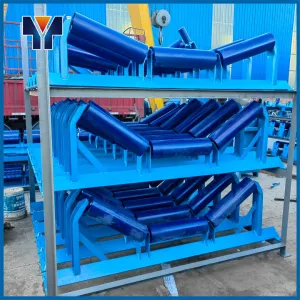
carrier flat idler
Category: Roller groupBrowse number: 1Number:Release time: 2026-01-05 15:29:42The roller group is the core supporting component of a belt conveyor, consisting of several rollers, brackets, fasteners, and connectors. It directly carries the weight of the conveyor belt and the conveyed material, while guiding the conveyor belt to run smoothly. It is a key component to ensure low resistance and high efficiency operation of the conveyor, and is widely used in light and heavy conveying systems in industries such as mining, coal, metallurgy, grain, and building materials.Material and CraftsmanshipRoller body: Q235 carbon steel seamless steel pipe is selected for conventional...
News
Category:
-
[Roller Group]Self-aligning and deviation correction idler
2026-01-05 10:10:54
Case
Category:
Project engineering
No search results found!
Video
Category:
No search results found!
Download
Category:
No search results found!
Job
Category:
No search results found!
Featured Products
-
NEWS
roller group
Learn more -
NEWS
carrier flat idler
Learn more



 Phone
Phone