
 Portugues
 Pусский
delivery cylinder
Delivery Cylinder: A Comprehensive Overview A delivery cylinder is a critical component in various industrial and mechanical systems, designed to transport, store, or dispense gases or liquids under controlled conditions. These cylinders are engineered for precision, durability, and safety, ensuring efficient delivery of substances in applications ranging from medical and laboratory settings to manufacturing and energy sectors. Design and Construction Delivery cylinders are typically constructed from high-strength materials such as stainless steel, aluminum, or composite materials, depending on the intended use. The choice of material ensures resistance to corrosion, pressure, and environmental factors. Key design features include: - Pressure Resistance: Built to withstand high internal pressures, often equipped with safety valves to prevent over-pressurization. - Portability: Many models are lightweight and compact for easy transportation, while larger cylinders may be stationary. - Sealing Mechanisms: Advanced sealing systems prevent leaks, ensuring the integrity of the stored or delivered substance. Applications Delivery cylinders serve diverse industries: 1. Medical and Healthcare: Used to store and deliver medical gases like oxygen, nitrous oxide, or anesthesia in hospitals and clinics. 2. Industrial Manufacturing: Transport compressed gases (e.g., argon, nitrogen) for welding, cutting, or chemical processes. 3. Energy Sector: Store and distribute liquefied petroleum gas (LPG) or hydrogen for fuel applications. 4. Laboratories: Deliver precise amounts of specialty gases for experiments and research. Safety and Compliance Safety is paramount in the design and operation of delivery cylinders. They adhere to strict international standards (e.g., ISO, DOT, or CE) and undergo rigorous testing for pressure integrity, material durability, and leak prevention. Features like pressure relief devices and tamper-proof caps enhance operational safety. Maintenance and Handling Proper maintenance ensures longevity and reliability: - Regular inspections for wear, corrosion, or damage. - Safe storage in well-ventilated areas away from heat sources. - Proper handling to avoid drops or impacts that could compromise structural integrity. Future Trends Advancements in material science and smart technology are shaping the future of delivery cylinders. Innovations include: - Composite Materials: Lighter yet stronger cylinders for improved efficiency. - IoT Integration: Sensors for real-time monitoring of pressure, temperature, and fill levels. - Eco-Friendly Designs: Sustainable materials and reusable systems to reduce environmental impact. Conclusion Delivery cylinders are indispensable in modern industries, combining robust engineering with safety and versatility. As technology evolves, these cylinders will continue to play a vital role in efficient and secure substance delivery across sectors. Their adaptability ensures they remain a cornerstone of industrial and medical infrastructure worldwide.
Products
Category:
-
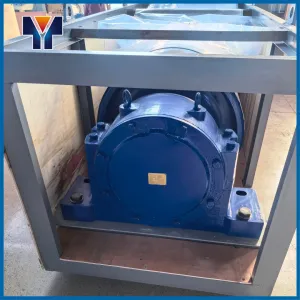
cradle roll
Category: RollerBrowse number: 2Number:Release time: 2025-09-19 10:18:15The conveyor drum is the power core and transmission key component of a belt conveyor. Its main function is to transmit power, support the conveyor belt, change the direction of the conveyor belt, and directly determine the operating efficiency and stability of the conveyor. It is widely suitable for light and heavy conveyor systems in industries such as mining, coal, metallurgy, grain, and building materials.Core Categories and FunctionsDrive drumAs the power output component of the conveyor, it is connected to power devices such as motors and reducers, and drives the entire conveyor belt to...
News
Category:
-
[Roller Group]Parallel return idler
2026-01-05 10:36:37
Case
Category:
No search results found!
Video
Category:
No search results found!
Download
Category:
No search results found!
Job
Category:
No search results found!
Featured Products
-
NEWS
cradle roll
Learn more



 Phone
Phone