
 Portugues
 Pусский
conveyor idler
Conveyor Idlers: Essential Components for Efficient Material Handling Conveyor idlers are critical components in belt conveyor systems, playing a vital role in supporting the conveyor belt and the material being transported. These cylindrical rollers are strategically placed along the conveyor structure to ensure smooth belt movement, reduce friction, and maintain proper belt alignment. Idlers are designed to handle various load capacities, environmental conditions, and operational requirements, making them indispensable in industries such as mining, agriculture, manufacturing, and logistics. Types of Conveyor Idlers 1. Carrying Idlers – Positioned along the upper strand of the conveyor to support the loaded belt. They are typically troughed to help contain bulk materials and prevent spillage. 2. Return Idlers – Located beneath the conveyor to support the empty belt on its return journey. These are usually flat or straight rollers. 3. Impact Idlers – Installed near loading points to absorb the shock of falling materials, reducing belt wear and damage. These idlers often feature rubber rings or cushioning. 4. Training Idlers (Self-Aligning Idlers) – Designed to automatically correct belt misalignment, preventing belt deviation and extending operational life. 5. Garland Idlers – Consist of multiple rollers arranged in a suspended configuration, providing flexibility and better load distribution in harsh environments. Key Features and Benefits - Durability – Idlers are constructed from high-quality steel, polymer, or composite materials to withstand heavy loads, abrasion, and corrosion. - Low Maintenance – Sealed bearings and advanced lubrication systems minimize wear and reduce downtime. - Energy Efficiency – Properly designed idlers reduce rolling resistance, lowering power consumption and operational costs. - Noise Reduction – Rubber-coated or polyurethane idlers help dampen noise in high-speed operations. - Customization – Idlers can be tailored to specific applications, including heat-resistant, chemical-resistant, or explosion-proof variants. Selection Considerations Choosing the right idler depends on factors such as belt width, load capacity, material type, and environmental conditions (e.g., moisture, dust, temperature). Regular inspection and timely replacement of worn idlers are essential to prevent belt damage and ensure smooth operation. In summary, conveyor idlers are fundamental to the efficiency and longevity of belt conveyor systems. Their robust design, versatility, and ability to enhance performance make them a cornerstone of modern material handling operations.
Products
Category:
-
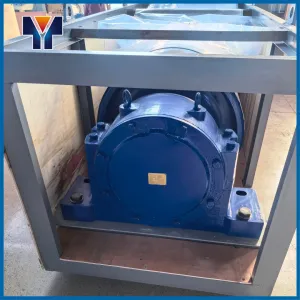
cradle roll
Category: RollerBrowse number: 2Number:Release time: 2025-09-19 10:18:15The conveyor drum is the power core and transmission key component of a belt conveyor. Its main function is to transmit power, support the conveyor belt, change the direction of the conveyor belt, and directly determine the operating efficiency and stability of the conveyor. It is widely suitable for light and heavy conveyor systems in industries such as mining, coal, metallurgy, grain, and building materials.Core Categories and FunctionsDrive drumAs the power output component of the conveyor, it is connected to power devices such as motors and reducers, and drives the entire conveyor belt to...
News
Category:
-
[Roller Group]Parallel return idler
2026-01-05 10:36:37
Case
Category:
No search results found!
Video
Category:
No search results found!
Download
Category:
No search results found!
Job
Category:
No search results found!
Featured Products
-
NEWS
cradle roll
Learn more



 Phone
Phone